
Step-by-Step: How to Design Custom Label Patches UK
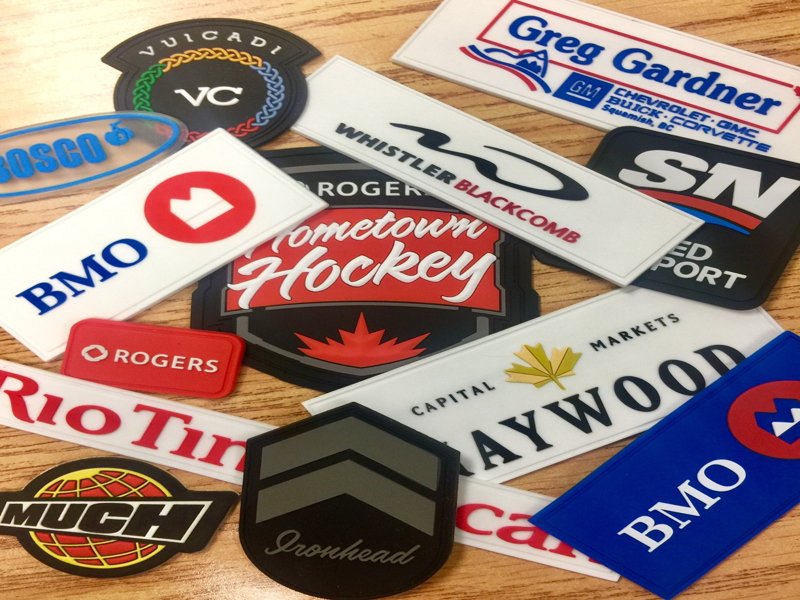
Tiny, tactile, and utterly transformative custom label patches are the finishing touch that turns plain into iconic. Whether you are stamping a street wear drop, branding staff uniforms, or giving a handmade product a boutique feel, a well-designed patch says more than a logo ever could.
Designing the perfect patch is not just for graphic nerds or production houses. It is a satisfying blend of creativity and craft that anyone can do. From choosing shape and size to picking stitches, backing, and color palettes, every decision nudges your patch closer to a statement piece.
In the steps ahead, you will walk through the entire process. Concept, materials, artwork preparation, proofs, and working with UK manufacturers. So you can go from idea to stitched reality without the guesswork.
Turning An Idea Into A Tangible Design
Every great patch starts with a clear vision. The message or emotion you want people to feel the moment they see or touch it. Maybe it is rebellion, nostalgia, craftsmanship, or unity. Begin by sketching out your concept or mood board. Don’t worry about perfection. Focus on the vibe.
Once your idea feels grounded, move into design refinement. Use digital tools like Adobe Illustrator or Canva to visualize it to scale. Pay attention to contrast and texture. Patches are tactile pieces, so your design must translate well when stitched or printed.
Finally, consider how your patch will live in the real world.
- Will it be sewn onto denim jackets?
- Stuck on caps?
- Ironed onto tote bags?
The use case determines materials, backing, and durability needs. By anchoring your creative choices to purpose, you will create a patch that feels right in your hand.
1. Choose your patch type
Before diving into colors and designs, you will need to decide what kind of patch you are creating. The UK patch scene offers plenty of options.
From classic embroidered and woven patches to sleek PVC Rubber Patches and printed labels. Embroidered patches bring texture and depth, perfect for vintage or bold aesthetics.
Woven patches, on the other hand, deliver fine detail and a clean, modern finish ideal for minimalist brands. If you are after durability and waterproofing, PVC patches are your best bet.
A street wear label might go for bold 3D embroidery, while a high-end boutique may prefer woven elegance.
2. Pick the perfect shape and size
The shape of your patch quietly defines its personality. Circles feel friendly and approachable. Squares and rectangles convey balance and order.
Custom shapes make your design stand out instantly. Don’t be afraid to experiment, just ensure the shape aligns with your brand’s visual rhythm.
When it comes to size, think practical. A huge path might look amazing, but it can overwhelm smaller garments. Likewise, a tiny one can lose detail and visibility.
Test-print your design on paper and place it where it will live. It is a simple hack that helps you visualize proportion before production.
3. Select colors that speak
Color is not just decoration. Each hue conveys mood and meaning, black and Gold whisper luxury, red and white shout energy, while pastels evoke softness and nostalgia. To make your patch pop, use a maximum of six colors.
Make sure there is enough contrast between the background and design so details don’t vanish once stitched.
4. Choose the right backing
The back decides how your patch attaches to the world. The classic sew-on backing is timeless, offering flexibility and durability. Iron-on backings make application quick and easy for merch or event giveaways. Velcro backings are perfect for tactical, uniform, or sports use.
Each backing type has its charm and purpose, so think about your end user.
- Will they wash the garment often?
- Need to swap patches out?
- Or want something that stays put for years?
Matching the right backing to the purpose ensures your design lasts as long as your brand story.
5. Work with a trusted UK manufacturer
Once your design is polished, it is time to bring it to life. Partnering with a reputable UK patch manufacturer makes a world of difference, not just in quality, but in turnaround time.
Look for suppliers who offer digital proofs before production, so you can tweak colors, threads, or textures before the final run.
Don’t hesitate to ask for samples. Touching and testing label patches UK gives you insight into thread density, finish, and flexibility. All factors that influence how premium it feels.
Plus, local UK producers often provide more eco-friendly materials and ethical manufacturing practices, aligning with modern sustainability goals.
6. Proof, approve, and produce
Once your sample hits the mark, move to mass production. At this stage, small tweaks are costly, so double-check every detail. Color accuracy, stitching lines, backing type, and edge finish. Many UK suppliers provide photo proofs or videos before the full run. Take advantage of that to catch any imperfections early.
The production process itself can take anywhere from a few days to a few weeks, depending on complexity. Stay in touch with your manufacturer for updates, and ask about bulk discounts if you are producing for events or collections.
7. Test, style, and show it off
When the patches arrive, the fun begins. Apply a few to your intended products, whether that is a denim jacket, hoodie, backpack, or tote bag.
Assess how they sit, stretch, and age after a few washes. Great patches feel like part of the fabric, not an afterthought.
Finally, showcase them. Use lifestyle photos, close-up videos, or even reels showing the making-of process. In today’s market, people love seeing the craftsmanship behind products. It turns a simple patch into a brand story.
Conclusion
Designing a custom label patch is a branding move and an art form that merges identity with craftsmanship. Every thread, color, and contour tells part of your story. And in the UK’s thriving creative scene, where fashion meets individuality, a well-designed patch can make your brand unforgettable. So, next time you spot a jacket or cap with a stunning little symbol, think about how you will create one for your brand. And think about how you can make your brand go from just an ordinary one to an iconic one with just a patch.