
How to Use Label Patches for Consistent Branding
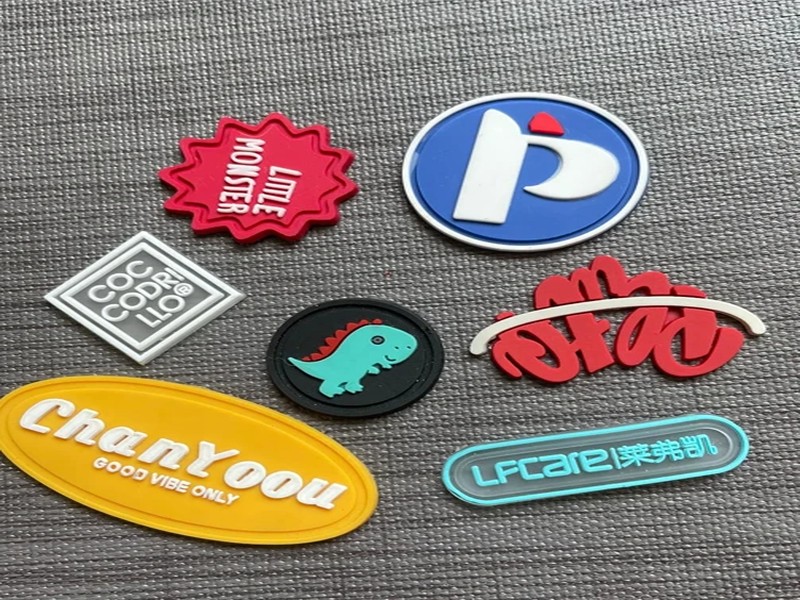
Your branding aligns perfectly with your website. But the moment it comes to clothing, bags, jackets and similar products, it looks totally different from what you have achieved on your website. The differences in terms of colours, logos, sizing, and positioning can even lead you to believe that there is a totally different identity that is there.
It could be really upsetting considering that you have put so much effort into getting clarity on your brand identity. You can eliminate such inconsistencies by creating a patch that would unify your identity across different media channels. Let’s discuss further.
Why Do Label Patches Matter for Brand Identity?
Brand identity does not necessarily mean having a logo on your website alone. Your brand identity may appear on the clothing of employees, on delivery bags, caps, jackets, and work clothes, among others. When these physical items carry the same visual details, your business becomes easier to recognize.
Brand consistency also has a measurable business connection. A Marq survey reported by Contentful found that 68% of professionals said consistent branding contributed to revenue growth, while 32% said it increased brand revenue by 20% or more.
That does not mean a patch alone creates revenue. It shows why keeping your brand recognizable across different customer touchpoints deserves attention. A well-designed patch can help you maintain that consistency without making every branded item look overly complicated.
Which Type of Patch Works Best for Your Brand?
A patch made from a particular material does not work well for all companies. It all depends on your company’s style, where you want to use the patches, and how detailed your design is.
| Patch type | Best suited for | Main advantage |
| PVC | Outdoor brands, workwear, modern logos | Durable and weather-resistant |
| Embroidered | Jackets, uniforms, traditional branding | Classic textured appearance |
| Woven | Detailed logos and small text | Smooth finish and fine detail |
| Chenille | Sportswear and bold designs | Thick, distinctive texture |
The goal is not to choose the most expensive option. It is to choose the one that makes your existing brand look right in the places where customers will actually see it.
When Are PVC Patches a Good Choice?
The use of PVC patches is especially helpful when durability and a contemporary look are required. They are made through a moulding process, not sewing, and this gives them a clean look suitable for graphic logos.
Moreover, the material used is non-porous and thus water-resistant. The moulded nature of the patch means there are no sewn threads to fray. That makes PVC a practical choice for:
- Outdoor clothing
- Work uniforms
- Backpacks and bags
- Sports equipment
- Tactical or utility gear
- Modern merchandise
If your logo depends on strong shapes and clear colour separation, PVC can also give it a clean appearance without relying on stitched threads.
How Should You Design a Label Patch?
Your patch needs to be seen as a natural element of your brand instead of a separately designed addition. Your starting point in designing your patch will be the components which are already familiar to your customers in association with your company. They will include your logo, colours, typography, symbols, and visual style.
Make Your Logo Unique
There is no need to design a new logo solely for the purpose of meeting the demands of a patch label. A logo with small lettering, complicated designs, and fine lines may prove hard to replicate on a patch version of the logo.
Color contrasts are highly noticeable, particularly when the patch is located alongside other branded products. Try to use the same set of colour tones as your brand wherever possible. So, if your company has its unique shade of blue, using a totally different blue for your patches would make them look like the product of another company.
PVC patches offer the opportunity to include colors in the molding process, which allows creating strong boundaries between design elements.
Shape and Placement Considerations
If your patches are intended to carry names or horizontal logos, a rectangular shape is a good choice, while circles are ideal for badges, clubs, and other small signs.
Placement is an important point as well, so if you are planning to put patches on uniforms, you should think about whether they will be placed on the chest, sleeve, or shoulders of your employees.
Where Can You Use Branded Label Patches?
The biggest advantage of Label patches is their flexibility. You can apply the same core design across several physical products without redesigning your entire identity each time.
Common applications include:
- Employee uniforms and workwear
- Jackets and caps
- Backpacks and travel bags
- Sports clothing
- Promotional merchandise
- Event apparel
- Outdoor equipment
- Branded accessories
Another example would be a landscape firm using the same logo patch on the jackets, caps, tool bags, and shirt pockets of their employees. Although these have different functions, the common visual element is used for the benefit of their customers.
How Can You Keep Your Patches Consistent?
Ordering a patch once is easy. Keeping it consistent across future orders requires a little more planning. Create a simple patch specification that records:
- Exact logo artwork
- Approved brand colors
- Patch dimensions
- Shape
- Border style
- Backing type
- Preferred material
- Placement instructions
This becomes especially useful when different products are being produced at different times or by different suppliers. The original work should be retained as well rather than reproducing the design based on an old photograph of the patch. The photograph can give a visual appearance of the patch but doesn’t have all the necessary details required for its accurate reproduction.
What Common Label Patch Mistakes Should You Avoid?
A few design decisions can make an otherwise strong brand patch look inconsistent.
Using Too Much Detail
A patch is usually viewed from a short distance rather than on a computer screen. Tiny text and complicated graphics may lose clarity when reduced to a small physical design.
Changing Brand Colours
Using slightly different shades for different batches can gradually make your branding look inconsistent. Keep approved colour references with your patch artwork.
Ignoring the Product
The patch made for a heavy outdoor jacket may look out of place on a light cap. The considerations that need to be made are the nature of the product itself.
Changing the Design Too Often
A different patch every time can affect its identification. If you do not change anything major in terms of your logo and branding, you should stick to the design of the patch and only make minor adjustments where necessary.
Readers Usually Ask
Are PVC patches good for business branding?
Certainly, the patches of PVC are ideal when a business desires a contemporary look coupled with durability. They serve very well in uniforms, outerwear, bags and equipment.
Are embroidered patches superior to PVC patches?
No. Each has its own advantage depending on the intended purpose. Embroidered patches have a traditional look, whereas PVC patches provide a more contemporary look and durability.
Can a small logo work on a label patch?
Yes, but the artwork may need to be simplified. Very small text and fine lines can become difficult to reproduce clearly, so the patch should be designed around its final size.
How can you keep patches consistent across different products?
Use the same approved artwork, colours, dimensions, and design specifications. Keeping these details documented also makes repeat orders easier and reduces accidental variations.
In Conclusion!
A label patch may seem like a minor branding item, but when you use one that matches the look of your business, it can play an important part in the overall consistency of your brand presence. The fact that your brand looks the same in all places, such as on your employees’ uniforms, bags, jackets, merchandise, and more, means there are more chances for your customers to recognise your brand. When choosing a patch, don’t think about the item alone. Take into account all the other aspects of your brand as well.

I am a professional blog author at PVCPatches.co.uk with extensive knowledge of designing and producing high-quality PVC patches for UK brands. In addition to providing helpful advice on PVC logo design, patch designs, and sourcing ideas, I write about material selection, colour combinations, moulding, and quality control to assist firms in creating enduring brand value.