
How Military Patches Blend Tradition with Modern Design
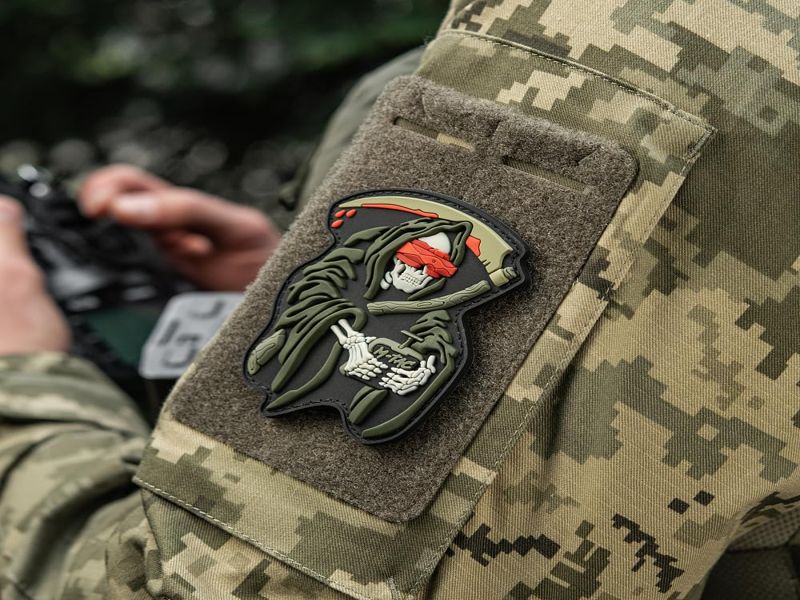
Military patches are more than just emblems that are sewn onto a uniform. They are symbols of history, of belonging, of shared purpose. They remain relevant because they combine the elements of military heritage with contemporary operational requirements in an unusual fashion. Cultural relevance with the subtle integration of modern design is what makes these insignia meaningful. They still tell stories from the past, but also meet the needs of the functional military organisations.
Where Do Military Patches Come from?
Let’s Explore the History!
Military identification symbols have been around long before the uniform. In ancient times, armies wore colours, banners, and markings to tell them apart when fighting. Military organisation began to develop, and the symbols used became official insignia. In the 1800s, embroidered unit emblems were common in numerous military services. These symbols were used to designate regiments, ranks, and specialist divisions.
More Than Identification
The significance of the patches by time grew beyond measure. These symbols came to represent the accomplishments, sacrifices, and history of each unit that the soldiers belonged to. A tiny symbol may be the years of service and many countless experiences shared. This feeling of attachment made military patches a permanent fixture of the military culture.
What Made Patches Culturally So Important and Relevant?
There are many military traditions that are shared through ceremonies and stories. Since the days of patches, there has been a visual method to honour those traditions.
Patches made with thoughtful consideration stay on the uniform all day long, while awards are only worn on special days. They remind the personnel of the organisation that they represent at all times.
For some in the military, a patch becomes a symbol of personal achievements. It can represent deployments, training events, and accomplishments of a unit. With time, these connections have reinforced the role of the insignia in military life.
Which Traditional Features Are Still Relevant in the Military Patches?
While designs of the patches are changing with each passing day, a number of the historical elements have stayed the same, as they have meaning that goes beyond the current era. Common examples include
- National symbols
- Unit mottos
- Historical dates
- Regimental crests
- Battle references
- Animal mascots
These features make for continuity across generations. They help to retain institutional memory and promote a sense of identity.
Preserving Legacy
Military commands don’t change the symbols they use unless they have a strong reason to do so. Historical references link present staff members and staff from the past. This continuity helps to build up the sense of belonging to the unit and tradition.
What is Different About Modern Manufacturing?
Although symbolism plays a role, the production of the patches has undergone a lot of change. The modern-day material allows patches to integrate into the uniform or any surface in demanding and tough environments. Durability is an important factor since patches need to be able to survive moisture, heat, and repeated use.
One of the most common examples is the 3D PVC patches, which have raised surfaces and weatherproof materials. They are visible in poor lighting situations and give better detail than many traditional options.
These innovations are not a replacement for the heritage but are helping in practice without changing the message behind the design.
Let’s Take a Look at the Distinctive Features of the Modern Military Patches!
Patches used by modern military forces used to be more focused on the design. In older emblems, often highly detailed artwork was used. The designs that are currently being created are made more visible and recognisable today.
A Transformation Towards Clarity
Designers now think about various view angles from a distance. The ability of the shape and symbol to be strong and identifiable is more important than decorative complexity.
Designed to be Used Multiple Times
Patches may be used today on uniforms, equipment, digital platforms, and official documents. It takes designs that will work on various formats. The aim is very clear here.
Keep the meaning in place and enhance the functionality.
What Are the Messages That Military Patches Convey?
The primary function of a patch is to convey a lot of information without the need for verbal explanation. Specific Colors, shapes, and symbols have a known significance.
- A shield can be a symbol for protection, and an eagle can symbolise vigilance and strength.
Military patches tell a story rather than giving long explanations. By looking at a unit’s patch, a service member may be able to comprehend many significant features of a unit. The ability to communicate rapidly is of special benefit in patches, especially as applied in military contexts.
The Search for the Proper Balance
If you are assuming that integrating innovativeness in the patches is the way to make your strategy successful, then you are probably leading yourself in the wrong direction. Also, following the traditional features alone cannot guarantee good outcomes.
The most standout designs are those that combine both elements. Like, where historical symbols give authenticity, moderate materials enhance performance. They develop insignia that are meaningful and useful when combined.
Companies that strike this balance can have more powerful brand images, honoring their past and meeting the present demands.
What Can We Learn from the British Military Insignia?
There are numerous examples of this balance in military patches United Kingdom. Heraldic traditions that have been passed down for generations are often used in British military emblems. Meanwhile, these designs are modified to reflect manufacturing in the modern world and operational needs. They tend to change slowly and not drastically. This careful method produces a result of identifying the units whilst offering contemporary design enhancements.
A Practical Lesson
British military insignia is an example of success when it comes to modernisation without giving up history. There are some minor changes to the functionality that can be made without losing any of the important symbols.
Looking Ahead
There is no reason to believe that the military insignia will not continue to develop in better materials and production methods in the future. But their main function is not likely to be altered.
Wherever there is military, there will always be a combined identity, recognition, and a common past. As long as those values are still significant, patches will remain strong emblems of service and belonging.
FAQs
What are the reasons for military units to wear patches?
Military patches help in the identification of units, record achievements, boost morale, and maintain military tradition by means of visual symbols.
What kind of symbols can be found on a military patch?
Some of the most used examples include shields, eagles, crests, national symbols, historical references, and unit mottos, which are commonly incorporated symbols in the military patches.
What is the difference between old and new military patches?
One of the major differentiating factors is that traditional patches heavily focused on the design. Whereas contemporary designs usually incorporate the same symbolism but feature more modern materials and streamlined designs.
What is the purpose of PVC patches in military use?
The durability and visibility of PVC patches make them ideal for tough and demanding military environments. Not only this, but they are the only kind of patch that is highly resistant to weather.
What do military patches tell about the history?
The military insignias offer historical images, dates, and references linking the present-day personnel to the past achievements of their unit.
Are there any options for customising military patches?
Many military organisations specially customise and develop particular insignia that embody unit values, operational roles, and missions.
Conclusion
Military patches have survived for a good reason because they can connect two very important worlds. They maintain a historical identity and respond to current needs. They are designed with care and constructed from sturdy materials and have meaningful iconography that crosses generations of service members. Their ongoing development demonstrates that tradition and innovation do not contradict. These, put together skillfully, make insignia that celebrate the past, support the present, and are valuable for the future.

I am a professional blog author at PVCPatches.co.uk with extensive knowledge of designing and producing high-quality PVC patches for UK brands. In addition to providing helpful advice on PVC logo design, patch designs, and sourcing ideas, I write about material selection, colour combinations, moulding, and quality control to assist firms in creating enduring brand value.