
How Premium Label Patches Elevate Your Brand’s First Impression
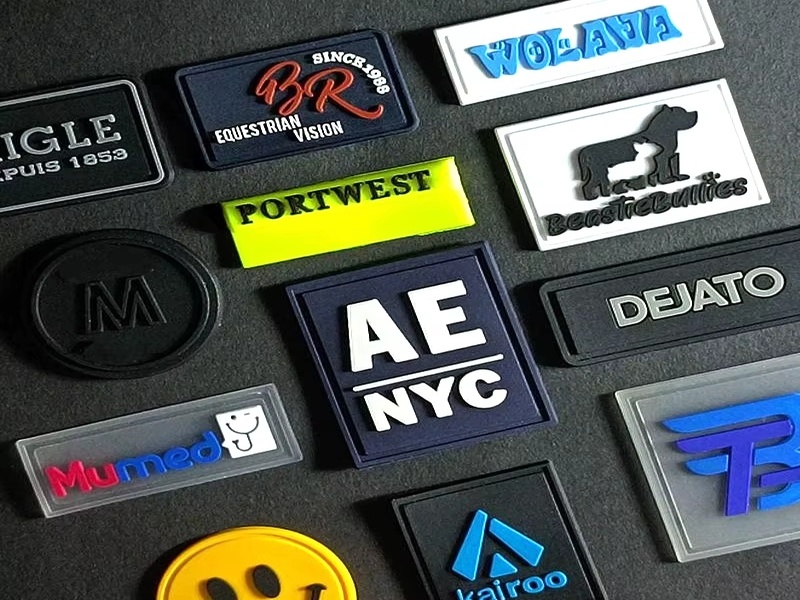
Most “custom” patches look custom. Few actually look premium. The difference isn’t the logo or the price tag. It’s what happens in the first half-second someone sees or touches the patch, before they’ve even registered what’s printed on it.
That reaction comes down to a handful of physical details: texture, colour depth, edge finish, and how the patch is applied to whatever it’s on. Get those right, and a patch reads as quality before anyone reads the brand name. Get them wrong, and even a well-designed logo ends up looking flat. This blog breaks down exactly what separates the two.
Texture Creates The First Impression
Before anyone reads the name on a patch, their hand or eye has already picked up on how it’s made. A raised, moulded surface catches light differently than flat ink, and that small physical detail separates something that looks stitched-on from something that looks designed. Printed labels stay level with the fabric, so no matter how sharp the artwork is, the surface reads as flat. A patch with actual depth changes that instantly. It has weight, dimension, and a finish you notice on contact.
Depth Over Detail
This is also why material choice matters more than design polish. A simple logo with real texture will outperform a detailed one printed flat, because texture is what people register first.
Bold Colour Signals Quality Instantly
Colour is the next thing people notice, and it works the same way texture does. Saturated, even colour reads as expensive, while dull or slightly off tones make a patch look cheaper than it actually is, even on good material. Clean, sharp edges around each colour block reinforce that impression further, since blurred or bled edges are one of the fastest ways a design looks rushed. This is where the material itself starts to matter again.
Colour That Holds
Personalised PVC Patches hold onto this saturation especially well, since Pantone-matched colour gets moulded directly into the material rather than sitting on top of it, so the finish stays vibrant instead of fading with wash and wear.
PVC Outlasts Printed And Woven Labels
Material choice decides how a patch holds up over time, and this is where the differences become obvious. Here’s how the three compare on the things that actually matter:
| PVC | Printed | Woven | |
| Durability | High | Low | Medium |
| Water resistance | Excellent | Poor | Fair |
| Texture | Raised, 3D | Flat | Flat, fine detail |
| Best for | Outdoor gear, bags, tags | Short-term or budget runs | Small text, detailed logos |
Quick Takeaway
- PVC handles moisture, wear, and repeated use without losing shape or colour.
- Printed labels are the cheapest option but fade and crack the fastest.
- Woven works well for fine detail, though it won’t match PVC’s durability outdoors.
Match The Backing To The Product
Sew-On For Permanence
This holds up best on jackets, uniforms, and anything that gets heavy daily use. It won’t loosen with repeated washing, which makes it the standard choice for apparel meant to last years, not months.
Iron-On For Speed
A faster option for retail products and lighter fabrics that don’t go through constant wash cycles. It applies in seconds, though it’s better suited to items with lighter handling.
Hook-And-Loop For Flexibility
Useful when a patch needs to come off or get swapped, common on bags, gear, and uniforms that rotate branding for different events or seasons.
Adhesive For Hard Surfaces
The right pick for non-fabric items like hard cases, boxes, or promotional pieces where stitching or heat isn’t an option.
Pick For Fit, Not Convenience
The easiest backing to apply isn’t always the right one. Matching it to the product’s material and how often it gets handled is what keeps the patch looking intact months later, not just on day one.
Size And Placement Change The Impression
A patch that’s too large overwhelms the product, and one placed off-centre or too close to a seam looks accidental rather than intentional. Both mistakes undercut everything the material and colour are doing right. The safest approach is proportion: the patch should complement the item, not dominate it, and placement should follow natural sightlines like chest level on apparel or the front panel on bags. Getting this part right is what makes the rest of the design actually register as premium.
Where These Patches Actually Work
Apparel And Uniforms
Chest patches, sleeve tags, and jacket branding are the most common uses, where durability and a clean finish matter most since these pieces see daily wear.
Bags And Luggage
A patch on a bag or luggage tag holds up to handling, weather, and travel far better than a printed label ever could.
Headwear
Caps and beanies benefit from the raised, moulded look, since the curved surface makes texture even more noticeable.
Merch And Drops
Limited releases and collabs use patches to make an item feel collectable rather than mass-produced, adding value without changing the base product.
Check These Before You Order
A good design still needs the right process behind it, or the finished patch won’t match what you approved. Before placing an order, a few things are worth confirming upfront rather than assuming they’re included.
- A physical or digital sample proof before full production runs
- A clear turnaround time, especially for time-sensitive launches
- Minimum order quantities that fit the size of your run
- A supplier with a track record of consistent colour and stitching across orders
For businesses sourcing customised Label Patches UK, working with a local supplier also makes it easier to sort out revisions quickly and avoid the delays that come with overseas shipping. Getting this part right protects everything decided earlier: the material, the colour, and the finish.
A Few Common Questions
How long do custom patches take to make?
Most orders take 2 to 3 weeks from artwork approval to delivery. This includes a few days for proofing, 7 to 14 days for production, and 3 to 7 days for shipping. PVC patches can take longer than embroidered or woven due to mould setup.
What are the three main types of patches?
The three most common types are embroidered, woven, and PVC. Embroidered offers a raised, textured look, woven captures fine detail with a flat finish, and PVC is molded, waterproof, and built for durability.
How long do patches actually last?
Lifespan depends on the backing. Sew-on patches can last 8 to 10 years since thread holds stronger than glue. Iron-on patches typically last 6 months to 3 years, while hook-and-loop backing holds up for 2 to 5 years with regular use.
What’s the difference between printed and PVC patches?
Printed patches use ink applied to the surface, so they fade and crack faster with washing and sun exposure. PVC patches are moulded rubber, which keeps colour and shape intact even with heavy outdoor use.
Where are patches most commonly used?
Patches are widely used on uniforms, jackets, bags, headwear, and merchandise. Businesses use them for branding and identity, while sports teams, schools, and clubs use them to show membership or achievement.
The Small Details Decide The Impression
None of this comes down to one big decision. It’s texture, colour, material, backing, size, and a reliable supplier, each one small on its own, but together they decide whether a patch looks premium or just looks custom. Get these right, and the impression holds long after the first time someone sees it.

I am a professional blog author at PVCPatches.co.uk with extensive knowledge of designing and producing high-quality PVC patches for UK brands. In addition to providing helpful advice on PVC logo design, patch designs, and sourcing ideas, I write about material selection, colour combinations, moulding, and quality control to assist firms in creating enduring brand value.